
Leagues, open play, programs, and maintenance all compete for the same public courts. YourCourts puts them on one schedule that residents can see, so they know when courts are open and can reserve them, while your staff keeps control of the rules and of who gets an account.
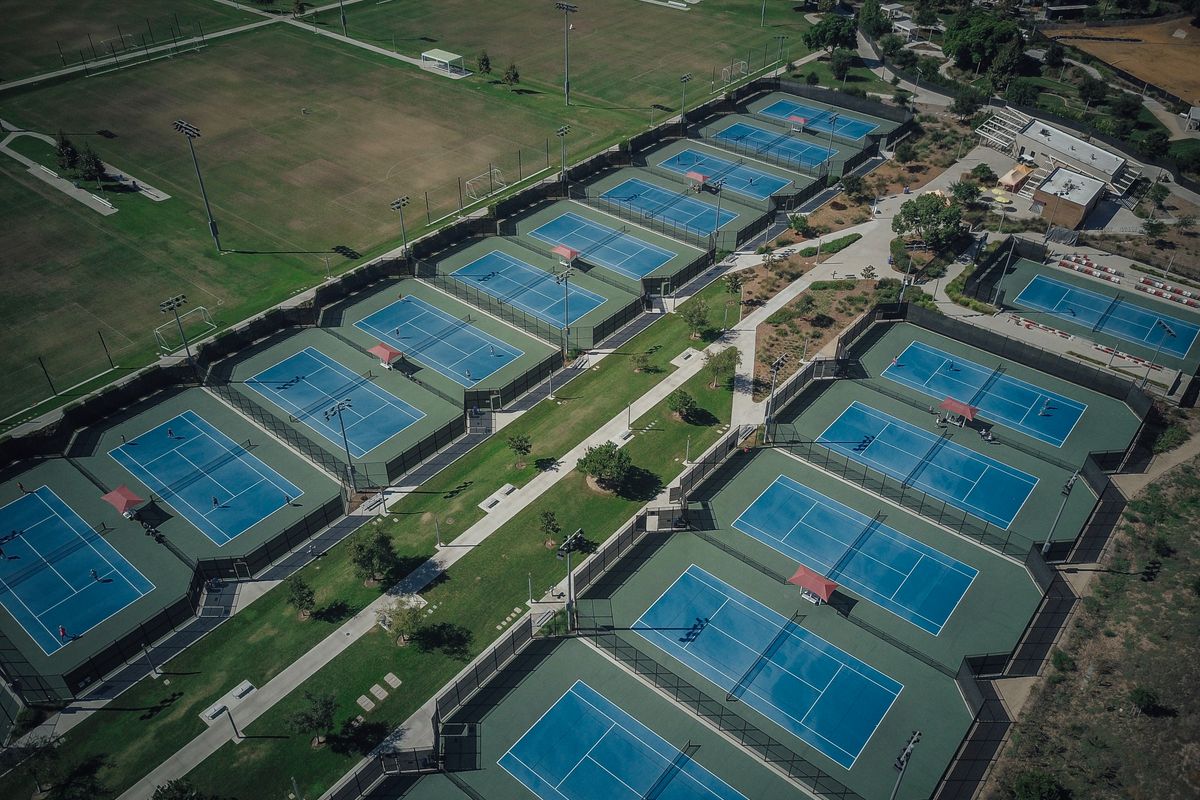
Residents see open times and reserve courts themselves. New accounts wait for staff approval, so you can check residency first. Some towns ask residents to come in person before they're approved.
Publish a read-only schedule on your town's website or a screen at the facility, and let staff enter every reservation. Residents see what's open without needing an account.
For example, let residents book tennis and pickleball courts online, while staff handle pavilion and shelter rentals.
Put leagues, open play, lessons, and recreation programs on a recurring schedule once, so residents can see when courts are already spoken for.
Close courts for resurfacing, repairs, tournaments, or weather in a few clicks, with a message so residents know why.
Embed a live, read-only schedule on your website or show it on a screen at the facility. You choose whether it shows names, and whether open times link to booking.
New registrations wait in a queue for staff to approve or turn down, with a reason. Or turn off self-registration and create every account yourself.
Require an electronic signature on a waiver when residents register, once a year, or each time they book, such as the rules for a pavilion rental.
Take pavilion, shelter, and field reservations alongside your courts, and collect rental fees online if you charge them.
Online payments on the Standard plan and upBooking windows, time limits, and household limits keep a few residents from holding every evening court.
Courts lined for both sports get separate rules and schedules for each, so both groups know when the courts are theirs.
Included from 4 courts; low-cost add-on on the 2-court planUsage reports show how often courts are used, when, and by whom, which helps when you're asking for more courts or reporting on a new facility.
Many communities come to us when they're building or expanding courts. Setting up reservations before opening day means residents can see the schedule and the rules from the start, rather than finding out the hard way that the new courts are always full.
From a couple of town courts to a county department running several tennis centers.
per year, up to 2 courts or resources
Online booking, all reservation rules, waitlists, and events
per year, up to 4 courts or resources
Adds online payments and shared tennis and pickleball courts
per year, up to 8 courts or resources
Adds Player Groups, ladders, leagues, and membership management
Each court, pavilion, or field counts as one resource. Plans go up to 20, and for more than 20, contact us for pricing. Unlimited residents on every plan, no hidden fees, and no contracts. Compare all plans
Yes. New registrations wait for staff approval, so you can check residency however your town requires before approving an account, whether that's a document, a utility bill, or a visit in person. You can also turn off self-registration so only staff create accounts.
Yes. A read-only schedule can be embedded on your website or shown on a screen at the facility, with no login needed. You choose whether it shows names and whether open times link to booking.
Yes. Some public facilities publish the schedule for residents to see and have staff enter every reservation, so residents never need an account.
No. Most parks and recreation customers don't charge for court time. If you rent pavilions or shelters, plans with online payments, starting with Standard, can collect rental fees when residents book.
Yes. You can require an electronic signature on a waiver when residents register, once a year, or each time they make a reservation.
Yes. Many of our customers pay by invoice for their subscription, and we can provide a W-9.
No. Every plan includes unlimited residents, reservations, events, and emails. Plans are priced by the number of courts and other resources, not by population.